1. Engine Maintenance Preparation: Logistics and Spare Parts
Oprating within a high-level marina such as the Marina Porto Antico in Genoa offers a fundamental logistical advantage: easy port access and proximity to ecological disposal facilities for waste fluids. Preparing the workspace in the engine room is equally important; tools and spare parts must be arranged in a convenient and orderly manner. The engine should also be freed from hatches and soundproofing panels that limit access. Only this way wor can be carried out professionally.
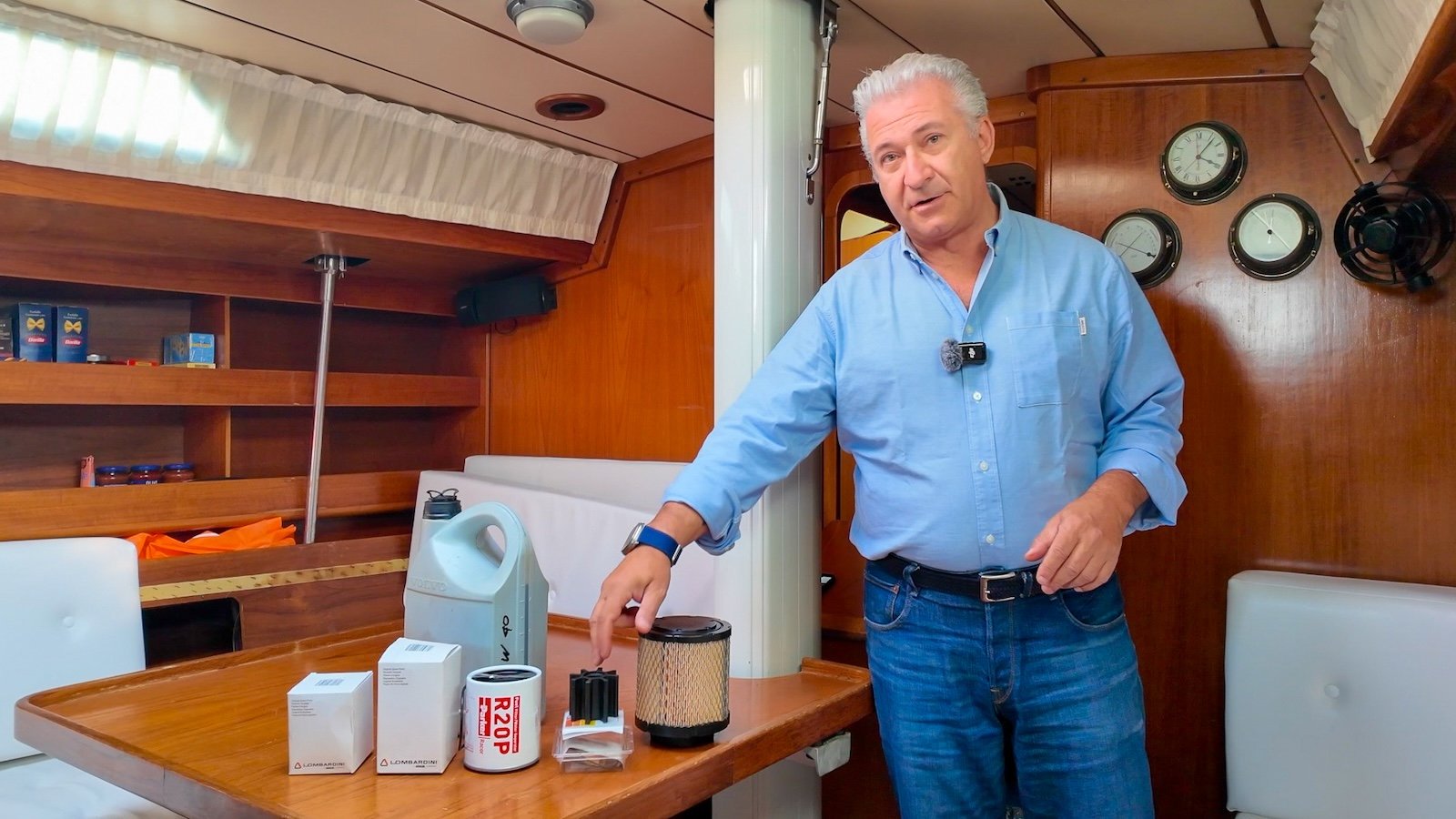
Certified Maintenance Kit
Before starting engine servicing, Ugo Soldi recommends verifying the correspondence of part numbers for all consumables:
Lubricating oil: For marine diesel engines in our category, a multigrade 15W40 oil with a high viscosity index is generally used, capable of resisting shear stress and neutralizing acidic by-products of diesel combustion.
Primary Filtration: Original or high-quality OEM oil filter cartridge, equipped with a calibrated bypass valve.
Fuel Filtration: Engine diesel filter cartridge and, above all, the water-separating pre-filter (commonly known as a Racor system). If not installed, its installation is strongly recommended.
Cooling System: Impeller in neoprene or nitrile, supplied with a paper gasket or dedicated O-ring and specific lubricant.
Air intake: Air filter element, essential to guarantee the correct stoichiometric ratio and reduce exhaust smoke.
2. The Lubrication Cycle: Thermodynamic Extraction and Disposal
Changing the oil in an inboard marine engine presents unique challenges. The oil sump is almost always positioned just a few millimeters above the bilge floor, making gravity drainage (via a bottom plug), typical in cars, impossible. In boating, the procedure is therefore as follows.
Engine Maintenance: The Hot Extraction Procedure
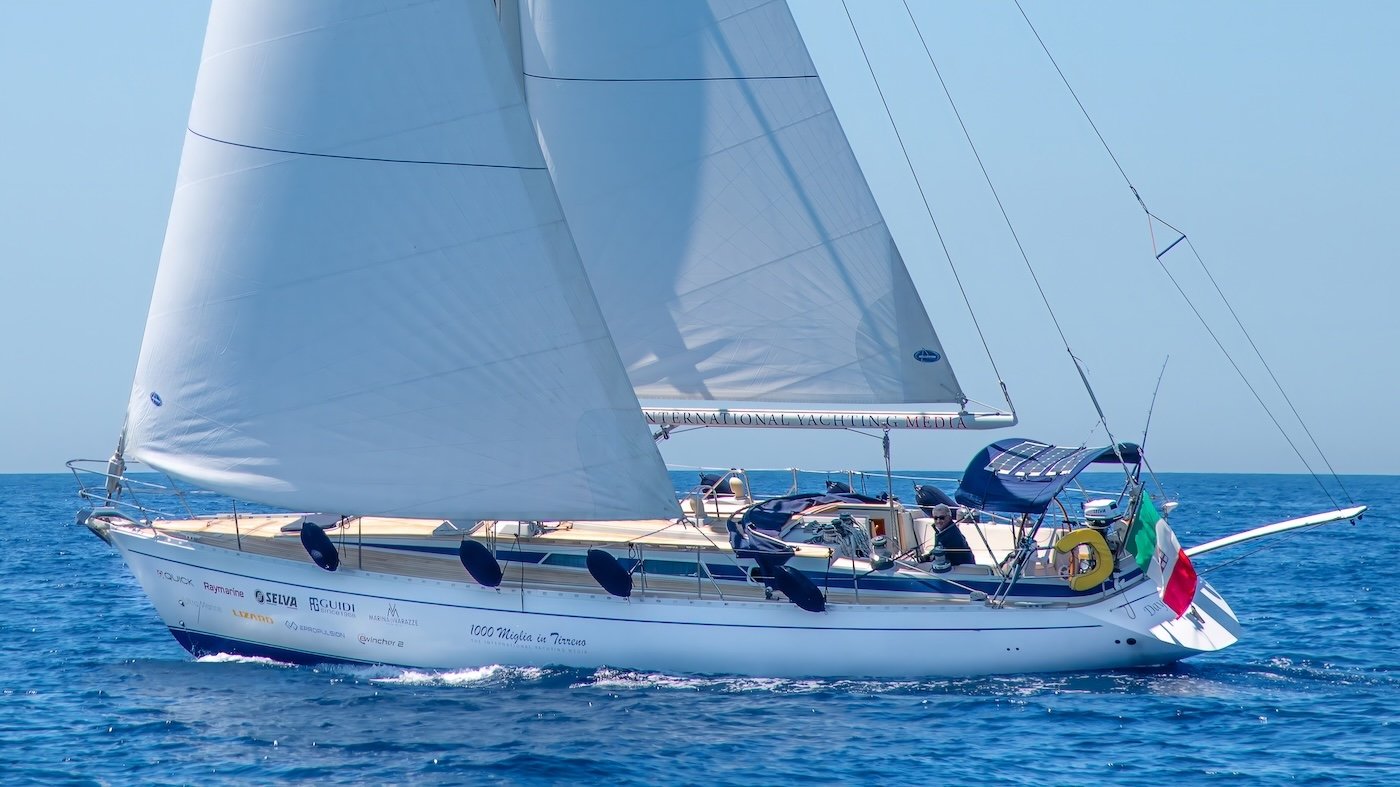
As documented on the Daydreamer, the first step of servicing is warming up the propulsion system. Running the engine for about 10–15 minutes achieves two important technical results:
The oil reaches a temperature of 40–50°C, drastically reducing its kinematic viscosity and facilitating pumping.
Metal microparticles and sludge deposited at the bottom of the sump return into suspension, allowing the pump to extract and remove them from the crankcase.
Using the convenient manual extraction pump installed on the engine block (or an external vacuum pump inserted into the dipstick tube), the used oil is transferred into a sealed container.
Luca D’Ambrosio’s sustainability directive: Used mineral and synthetic oil is highly toxic, especially for pelagic and coastal ecosystems. The management of this type of waste must be handled with zero tolerance for spills. All waste material extracted on board the Daydreamer is carefully delivered to appropriate ecological disposal facilities.

3. Filter Replacement: Mechanical Sealing and Prevention
Oil Filter
Removing the oil filter often requires a strap or chain wrench, as thermal cycles tend to cause the rubber gasket to adhere tightly to the engine block. After removing the old filet, both the filter and its contents must be disposed of according to proper procedures.
The technical secret of Continental Marine for perfect installation consists in thoroughly cleaning the mating surface on the engine. Then, it is essential to dip a finger in new oil and generously lubricate the new filter’s O-ring gasket. This procedure prevents rubber vulcanization (avoiding future leaks) while ensuring proper tightening. Final tightening must be done strictly by hand; using tools at this stage can deform the filter housing and compromise the seal.
Air Filter
Often overlooked by less experienced boaters, the air filter in a marine environment becomes saturated not only with dust but also with micro salt crystals. A clogged filter “chokes” the diesel engine’s intake, causing power loss, increase in fuel consumption, and the typical emission of black smoke from the exhaust. Its replacement is a quick operation that immediately restores proper airflow to the cylinders. Maintenance intervals for the air filter are generally longer than for other components; please refer to the dedicated table below for details.
4. Fuel System Maintenance: The Fight Against Diesel Bacteria
Due to the mandatory presence of biodiesel percentages, modern marine diesel is highly prone to hygroscopy (water absorption). Water in the tank creates the ideal environment for bacteria and fungi to proliferate, provoking the formation of dark, gelatinous biomass commonly referred to as sludge.
Cartridge Replacement and Pre-Filter Cleaning
Before starting, Ugo Soldi reminds us to close the fuel supply valve from the tanks in order to prevent accidental fuel spillage into the bilge.
The diesel filter must be removed by hand or with a chain wrench. The contents of the old filter are emptied into a container (both the liquid and the filter must be disposed of properly); then, the new diesel filter is installed by screwing it on by hand without excessive force.
The Bleeding (Priming) Procedure
After installing the new diesel filter, the air trapped in the system must be expelled. Using the lever of pump C (manual priming pump), fuel is pumped while simultaneously opening the small bleed screw located on the filter head (usually operated with a 10 mm wrench). The procedure is complete only when clear diesel fuel, free of air bubbles or foam, flows from the screw. Only then can the bleed screw be fully tightened.
Diesel Pre-Filter
Attention now shifts to the diesel pre-filter, which consists of a filtering element combined with a water separator. The lower transparent bowl must be removed and cleaned of sediment, and the cartridge replaced with a new one. It is extremely important to replace the old sealing O-rings with those supplied in the spare parts kit. A pinched or hardened seal, indeed, would allow air to enter the system and could cause the dreaded engine shutdown while underway. Since the pre-filter (or Racor system) is installed upstream of the engine, it must be manually primed. This is done by filling it with clean diesel fuel; fuel recovered from previous operations must never be used.
5.The Cooling System: Impeller Inspection
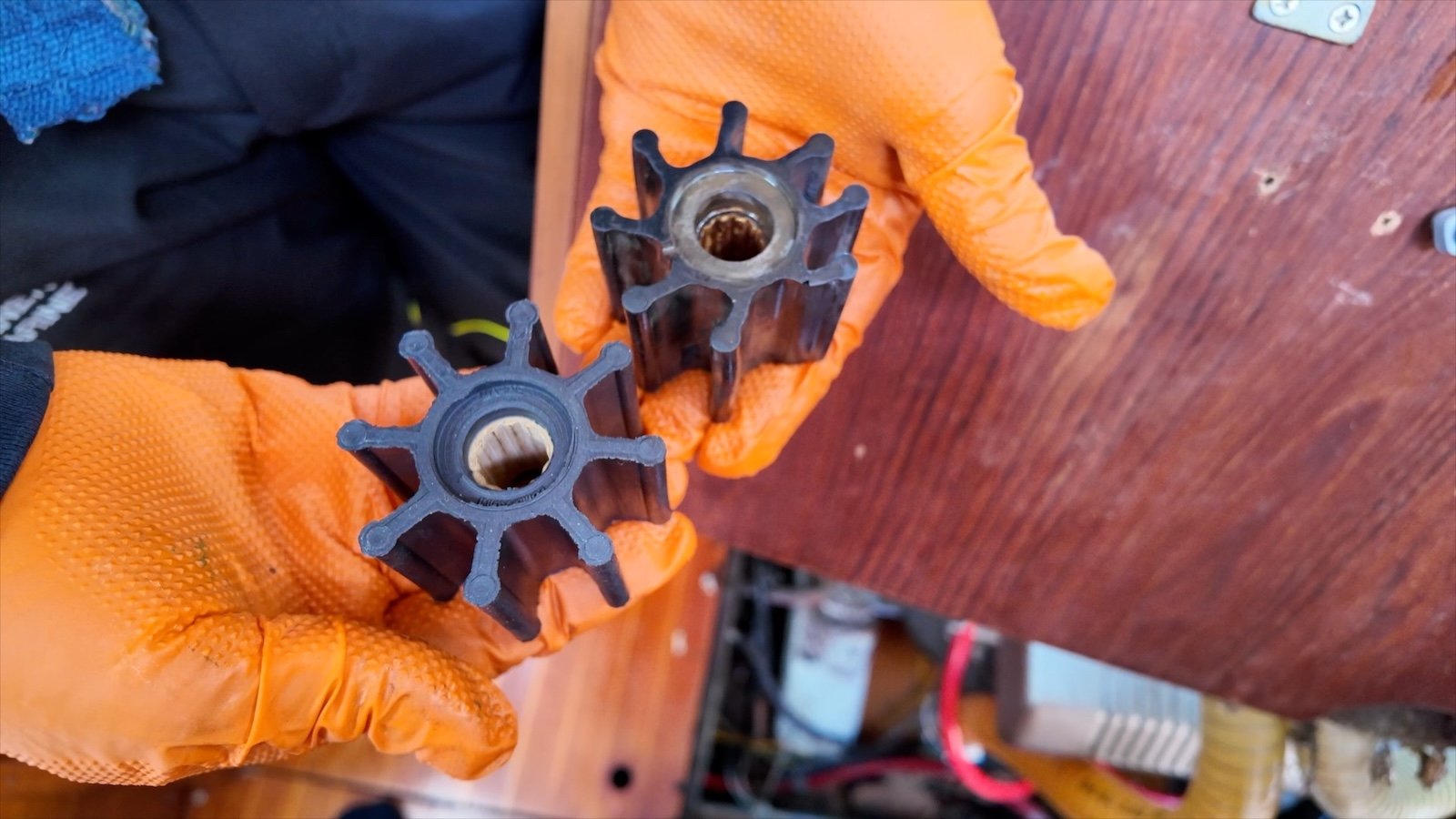
The seawater pump is the heart of the cooling system. Inside it, the impeller rotates at high speed—an elastomer component that draws in cold water from outside (through the seacock) and pushes it through the heat exchangers.
Initial Precaution: The seawater intake valve must be strictly closed before removing the pump cover.
Removal and Analysis: Using a puller or two flathead screwdrivers applied with extreme care, the old impeller is extracted. Ugo Soldi examines the blades: if they appear permanently bent, cracked at the base, or worse, broken, replacement becomes mandatory. (If a blade is missing, the heat exchanger bundle must be inspected to recover it, otherwise it may obstruct water flow.)
Installation: The new impeller must be installed with a light layer of compatible lubricant (often glycerin- or silicone-based, NEVER lithium grease, which would melt the rubber). This prevents the blades from burning during the first seconds of dry startup, before water is drawn in from the hull.
6. Crankcase Filling and Dynamic Start Test
Once the mechanical part of the service is complete, we can proceed with the pouring of the new engine oil. Removing the dipstick helps air escape from the crankcase, making filling more fluid.
Golden rule: Pour oil until it reaches halfway between the “Min” and “Max” marks. Never exceed the maximum limit, as this can cause serious damage to seals and gaskets due to overpressure. Excess oil may even foam, reducing lubrication effectiveness.
7. Engine Maintenance: Final Test and Oil Top-Up
Reopen the seawater intake valve, go to the instrument panel, wait for the warning lights to turn off, and then start the engine. If all previous steps have been performed correctly, the engine will start without any problems. Once running, immediately check that water from the cooling system is flowing abundantly and steadily. After about ten minutes of idling, stop the engine, wait another 10 minutes to allow the oil to drain back into the sump, check the level with the dipstick, and perform the final top-up. Again, ensure the level is set halfway between minimum and maximum marks..
Technical Parameters and Routine Maintenance Intervals
Mechanical Component | Operating Interval | Technical Specification / Test Center Notes |
Engine Lubricant | 90–100 hours / 12 months | Viscosity 15W40 (or according to manufacturer’s manual). Replace while warm. |
Oil Filter Cartridge | At every oil change | Lubricate rubber gasket; hand-tighten only. |
Diesel Filter | 90-100 hours / 12 months | Hand-tighten only |
Diesel Pre-Filter | 90-100 hours / 12 months | Check bowl and bleed if necessary every 20–30 hours |
Water Pump Impeller | 100-200 hours / 12 months | Inspect if reduced water flow is observed |
Air Intake Filter | 100-200 hours / 12 months | Intermediate cleaning every 100 hours with low-pressure compressed air |
Sacrificial Anodes (zincs) | 6-12 months | 6-month inspection. Replace if worn beyond 50% Sostituire se usurati oltre il |
Engine Maintenance: Conclusions
As underlined by Luca D’Ambrosio in our editorials, maintenance is not only a way to save money compared to shipyard servicing, but a process of gaining knowledge about your boat. Knowing how to operate on a diesel engine in emergency is an essential boating skill.
The Test Center of The International Yachting Media at Marina Porto Antico continues to test and document these procedures to elevate the standards of recreational boating in Italy and worldwide.
Bibliographic References and Sources:
Luca D’Ambrosio: Journalist and experienced tester, The International Yachting Media Press.
Ugo Soldi, marine engine mechanic, Continental Marine Technical Archive
The International Yachting Media Test Center Archive, Test Report 2025–2026.
Daydreamer, the laboratory boat of The International Yachting Media, 2014–2026.