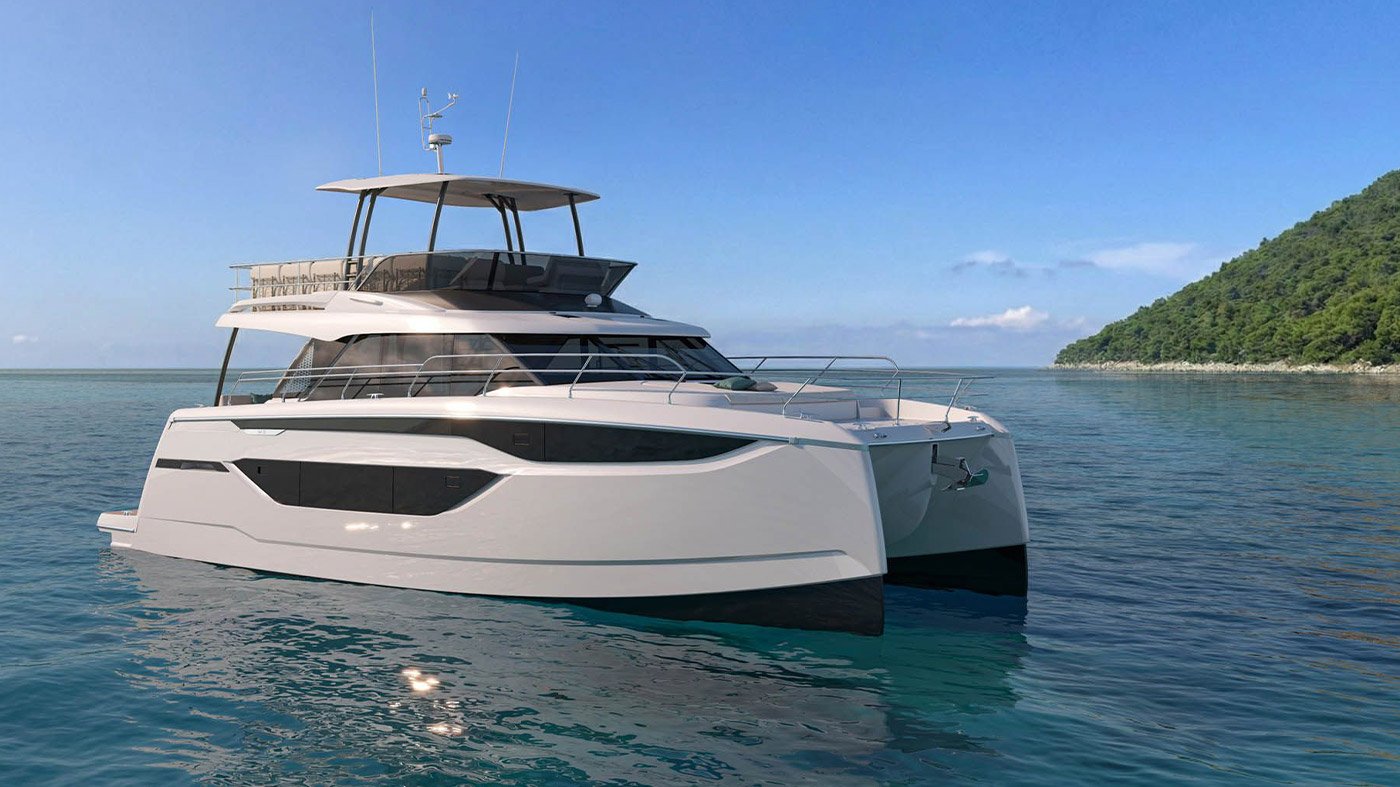
CIPNES Gallura: In Cannes, Sardinia’s Nautical Industry Presents the New Frontier of Its Development
Business internationalization, applied research, university education, and energy transition are at the center of the presence of the Region of Sardinia and CIPNES Gallura at the Cannes Yachting Festival. From the bachelor’s degree course in Naval Engineering of the University of Cagliari based in Olbia to the development of the master’s degree and new vocational training paths, the goal is to strengthen the industrial and technological capacity of the regional sector. The international journey will continue in Genoa and at METS TRADE in Amsterdam, already looking ahead to 2027 and the U.S. market with Miami.
Activities of CIPNES at the Cannes Yachting Festival
Sardinia’s nautical industry returns to the Cannes Yachting Festival as part of a project that goes beyond promoting businesses and the local territory. For the second consecutive year, CIPNES Gallura, with the support of the Department of Industry and the Department of Planning of the Autonomous Region of Sardinia, will be present at one of the main international nautical events to enhance a production system that integrates shipbuilding, refit, components, services, university education, applied research, and innovation.
The presence in Cannes represents a new stage in the internationalization program launched in 2025 to accompany regional companies onto foreign markets and consolidate the supply chain’s ability to produce skills, technologies, and services intended for international boating. The challenge consists of transforming Sardinia’s strong appeal for yachting into a lever for industrial development: not only yachts arriving on the Island, but boats, components, technologies, services, and skills developed in Sardinia and destined for international markets.
Participation in Cannes allows for the continuation of discussions with shipyards, component companies, designers, refit operators, marinas, technology suppliers, boat owners, and international stakeholders. Events such as Cannes, Genoa, and Amsterdam thus become tools to understand market evolution, build industrial relationships, identify new partners, and create opportunities for businesses.
Sardinia already possesses a significant heritage of shipyards, companies specialized in refit, component businesses, service operators, and port infrastructure. Bringing these skills together into a system and presenting them on international markets means creating the conditions to attract contracts, investments, and new production activities.
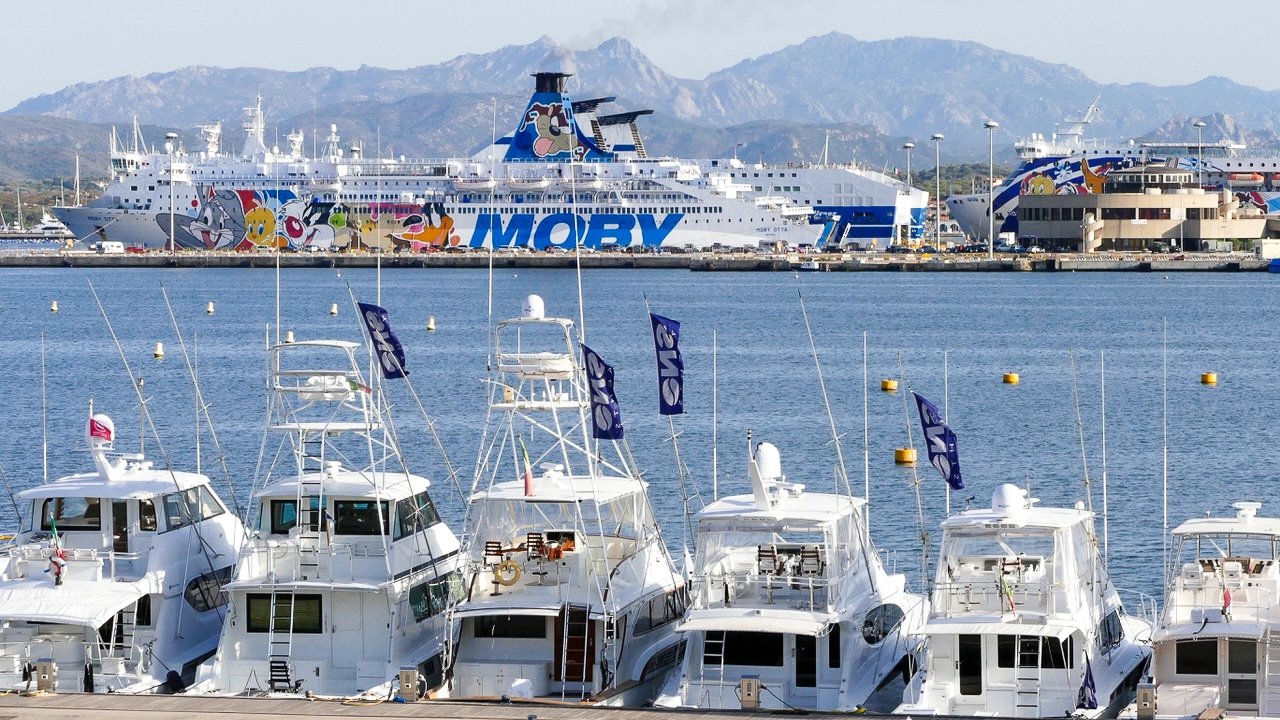
Region of Sardinia, CIPNES Gallura, and UniOlbia: A Heritage of University Education
The competitiveness of contemporary boating increasingly depends on the ability to innovate. New materials, digitalization, advanced design, energy efficiency, and alternative propulsion are profoundly changing yachts, systems, and production processes. For this reason, the internationalization program is paired with the development of knowledge and skills. An important role is entrusted to the collaboration with the University of Cagliari and UniOlbia, which hosts the bachelor’s degree course in Naval Engineering.
The course has already demonstrated an attraction capacity that goes beyond regional borders, with a good number of enrolled students coming from outside Sardinia. This is a significant datum because it indicates the possibility of making Olbia not only a university campus serving the area, but a specialized training hub capable of attracting young people interested in professions related to boating and the sea economy. The academic path is set to develop further with the planned master’s degree in Nautical Engineering, promoted by the University of Cagliari in partnership with the University Federico II of Naples, progressively completing a university educational pipeline closely linked to the needs of the industry.
Added to this, starting from the 2026/2027 academic year, is the vocational bachelor’s degree course in Electrical and Aeronautical Industrial Technologies, which is also strongly connected to boating due to the technological and industrial skills it develops. Electrical systems, industrial technologies, and advanced technical skills represent, in fact, increasingly important areas in the design, construction, maintenance, and refitting of modern vessels.
The growth of the university offering will be accompanied by the development of the Olbia Campus. Starting in the new academic year, housing will be available for 464 students, creating adequate residential capacity to welcome those who choose to study in Olbia coming from other parts of Sardinia, mainland Italy, or abroad. The availability of housing represents an essential element of the project: expanding the educational offer also means guaranteeing students concrete conditions to be able to choose Olbia as the location for their university education.
The presence of university education also takes on strategic value because it is embedded in one of the territories where a significant portion of the regional nautical industry and one of the main Mediterranean yachting markets are concentrated. Bringing university and industry closer together means creating the conditions for students, researchers, designers, and companies to engage directly on the needs of the supply chain and foster the transfer of knowledge toward the production system.
Analyzing yacht and superyacht traffic also assumes an industrial significance from this perspective. Knowing the size, origin, length of stay, and characteristics of the fleet visiting Sardinia makes it possible to evaluate the potential demand for maintenance, refit, technical assistance, logistics, port services, energy, and new fuels.
Among the projects that demonstrate the growing relationship between research and industry is the study developed by CIPNES Gallura with the Politecnico di Milano for the production in Sardinia of biofuel intended also for marine use. The project stems from the opportunity to utilize biomethane obtained through the treatment of the organic fraction of waste to produce a fuel that can also be used in maritime mobility, linking circular economy, applied research, and industrial innovation.
The perspective concerns not only production, but the development of skills and technologies connected to new fuels, propulsion systems, and their future availability in port infrastructure. In this way, energy transition can become, in addition to an environmental goal, an industrial opportunity for regional companies and a further ground for collaboration between business and research.
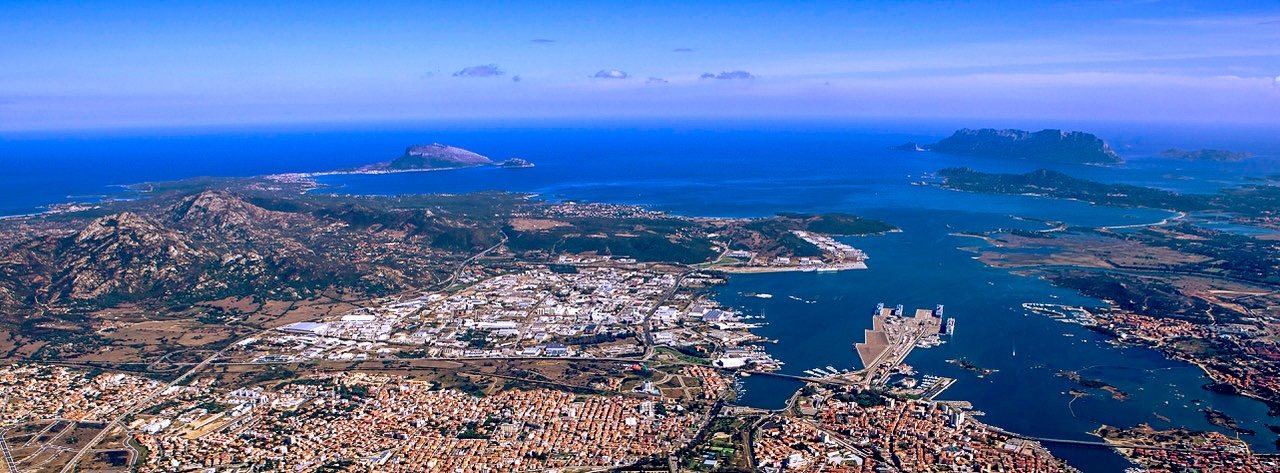
National and International Activities of CIPNES Gallura
After Cannes, the itinerary will continue at the Genoa International Boat Show, a traditional benchmark for Italian boating. In Genoa, CIPNES Gallura will take part in the customary press conference organized by Confindustria Nautica dedicated to the schedule of the sector’s main events. On that occasion, the dates for the upcoming Sardinia Boat Show, an event planned and organized by CIPNES Gallura with the Departments of Industry and Planning of the Autonomous Region of Sardinia, will be made official. The regional boat show is one of the tools through which relationships built on international markets are brought back to the territory, encouraging meetings between regional companies, shipyards, operators, and stakeholders from abroad.
The internationalization program will then continue at METS TRADE in Amsterdam, one of the world’s main appointments dedicated to technologies, components, equipment, and services for the nautical industry. Participation in the Dutch event will have a strong industrial focus and will be oriented in particular toward showcasing the skills present in Sardinia in the refit & repair of large yachts, a segment in which shipyards operate with onshore and offshore facilities, technologies, and professionals capable of servicing vessels over 30 meters.
Amsterdam is a particularly significant stage of the program: an opportunity to present directly to the international nautical industry not only the capacity to host large yachts, but the skills developed on the Island to service, refit, and maintain them. Cannes, Genoa, and Amsterdam thus constitute three complementary moments of the 2026 strategy: engagement with the international yachting market, the Italian nautical system, and the global technology, components, and refit industry.
The program is already looking ahead to 2027, when Miami figures among the avenues for international expansion, with the goal of strengthening the relationship between Sardinia’s nautical industry and the U.S. market. Expanding into the United States is a further step in a multi-year strategy aimed at progressively broadening the target markets of regional companies and creating new commercial and industrial opportunities.
Cannes, Genoa, and Amsterdam in 2026, together with the prospect of Miami in 2027, outline a path that goes beyond a simple trade show calendar and connects internationalization, production capacity, university education, research, and innovation.
The challenge is to strengthen the identity of Sardinia’s nautical industry on global markets, converting the Island’s central role in international yachting into a concrete opportunity for productive, technological, and professional growth.