How a market-creating founder turns underused docks into safe, scalable guest experiences.
When Oleksii Popov walks a marina, he doesn’t start with boats – he starts with flow. Where do families hesitate? Where does a dock sit idle at sunset? Where could a short passenger loop depart on the hour and return with clockwork reliability? Popov’s specialty is converting those overlooked moments into first-of-its-kind formats that guests trust, teams can execute, and partners can scale.
Raised on the Azov coast, Popov built his reputation by standing up the region’s first professional kite and wind stations, a wake program with a youth academy, a licensed boat-loop service (“sea-tram”), open-air cinema, and even a mono-product bar that became a local fixture. The pattern was consistent: take a setting people love but underutilize, design the operating spine – safety, SOPs, training, and schedule discipline – and turn it into a service that performs not only on Saturdays but also on Tuesdays.
Today Oleksii Popov is based in Hawaiʻi and focused on U.S. urban and coastal markets. His goal is pragmatic: help marinas and waterfront hotels add reliable, insurance-grade experiences – hourly loops, instructor blocks, junior programs – without heavy capex. “Romance brings people to the water,” he says. “Standards bring them back.”
Oleksii Popov : “Why it matters now”
Coastal destinations are chasing weekday utilization, safer guest flow, and year-round relevance. Families want access without uncertainty; municipalities want compliance they can defend; operators want throughput that doesn’t feel like a rush. Popov’s work lands in the middle of that Venn diagram: visible safety as part of hospitality, training ladders that create local jobs, and playbooks that let quality travel from one harbor to the next.
Industry Contribution: An Operating System for the Waterfront
What Oleksii Popov brings to U.S. marinas isn’t just new programming – it’s a repeatable method for turning underused shorelines into reliable, safety-forward commerce. Internally he calls it the Popov Market Creation Method™, a five-move playbook marina teams can actually run:
- Market-void recognition: find docks and promenades with footfall but no structured experience or weekday utilization.
- Latent-demand forecasting: use wind/tide windows, traveler flows, and family behavior to model when and how guests will buy before demand is visible.
- Concept engineering: design the product and its spine – SOPs, safety doctrine, training ladder, wayfinding, and slot/queue discipline – so staff can execute and guests instantly “get it.”
- Ecosystem deployment: launch small, high-trust blocks (hourly sea-tram loops, instructor windows, youth academies) with visible safety to accelerate adoption.
- Rapid scaling: document what works (routes, ratios, cut-offs, QA sheets) so quality travels between harbors without losing local character.
Applied across kite/wind stations, wake programs, licensed boat loops, and even mono-product hospitality, the result is consistent: romance brings people to the water; standards bring them back. Practically, that means higher weekday utilization, fewer incidents, stronger per-guest revenue – and an exportable operating system coastal partners can adopt quickly.
Proof in the field
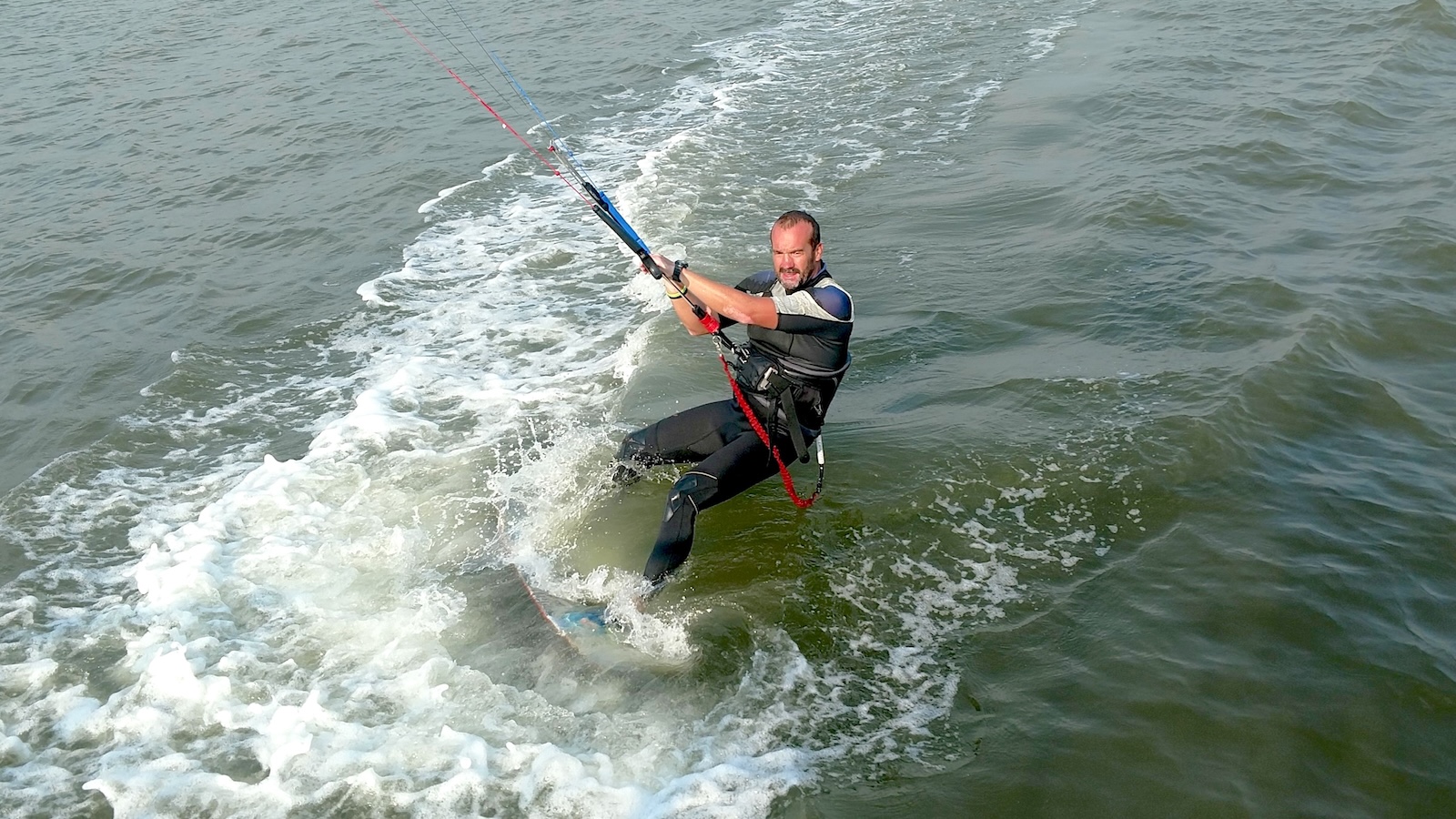
Kite & wind stations. Oleksii Popov’s first stations replaced informal riding with a guest-safe, standards-led service: marked aquatory, radio lookout, posted cut-offs, and progressive skill blocks (orientation → body drag → waterstart → upwind) with instructor sign-offs. Families saw safety, not just sport; municipalities saw compliance, not just crowds.
Wakeboarding with a youth pathway. To smooth wind volatility he added wake programs: dock flow, helmet/impact-vest compliance, timed runs, and a coaching rubric that made progress measurable. The youth academy created a local talent ladder – coaches, operators, event staff – anchored by clear SOPs and a simple CRM for retention.
Licensed boat loops and charters. The “sea-tram” format ran on the hour with 45-minute scenic circuits and 15-minute dock resets. Private charters filled shoulder periods; weddings and ceremonies used a contingency script for wind shifts. Safety briefings were visible, manifests verified, and rescue drills practiced to time. As demand grew, the fleet doubled and the dock choreography scaled without chaos.
Open-air cinema as placemaking. A fast-deploy, asset-light venue extended evenings on the waterfront. Queue design, sound discipline, and weather playbooks kept neighbors happy while bundled F&B partnerships lifted average check. The lesson traveled back to marinas: programming cadence and guest flow are as important as the headline attraction.
The Oleksii Popov’s U.S. roadmap
In the United States, Oleksii Popov is piloting with partner marinas and waterfront hotels: short passenger loops at sunset, instructor blocks aligned to wind windows, junior academies, and shoulder-season programming that gives docks a second life. Each pilot ships with the documents operators ask for – safety doctrine, training curriculum, QA checklists, and a schedule model – so teams can own the product after the pilot ends. The approach keeps assets light, shifts risk into a manageable domain, and makes new revenue insurable and auditable.
What sets Oleksii Popov apart
Oleksii Popov blends concept vision with field discipline. He writes the SOPs, trains the staff, and runs the after-action reviews himself until the numbers hold: on-time departures, lesson completion rates, incident-free days, and repeat intent. He treats risk as a guest-visible feature, not back-office paperwork, and designs queue/slot systems that respect both throughput and the pace families need to feel safe.
That is why his projects tend to be first in their locality – and why they are quickly imitated. For coastal partners, imitation is a feature, not a bug: the standards are documented, the format is teachable, and the quality can travel without losing the local accent.
Looking ahead
Popov’s thesis is simple: underused waterfronts are an economic opportunity hiding in plain sight. With light assets, visible safety, and documented training, a marina can add products that perform on weekdays, create skill ladders for local talent, and extend the destination’s relevance beyond peak season. “People don’t buy access to water,” he says. “They buy confidence that the day will go well.”
For readers who build and run marinas, that confidence is a design problem. Oleksii Popov’s contribution is designing the operating system that solves it – and leaving behind a playbook others can run at scale.